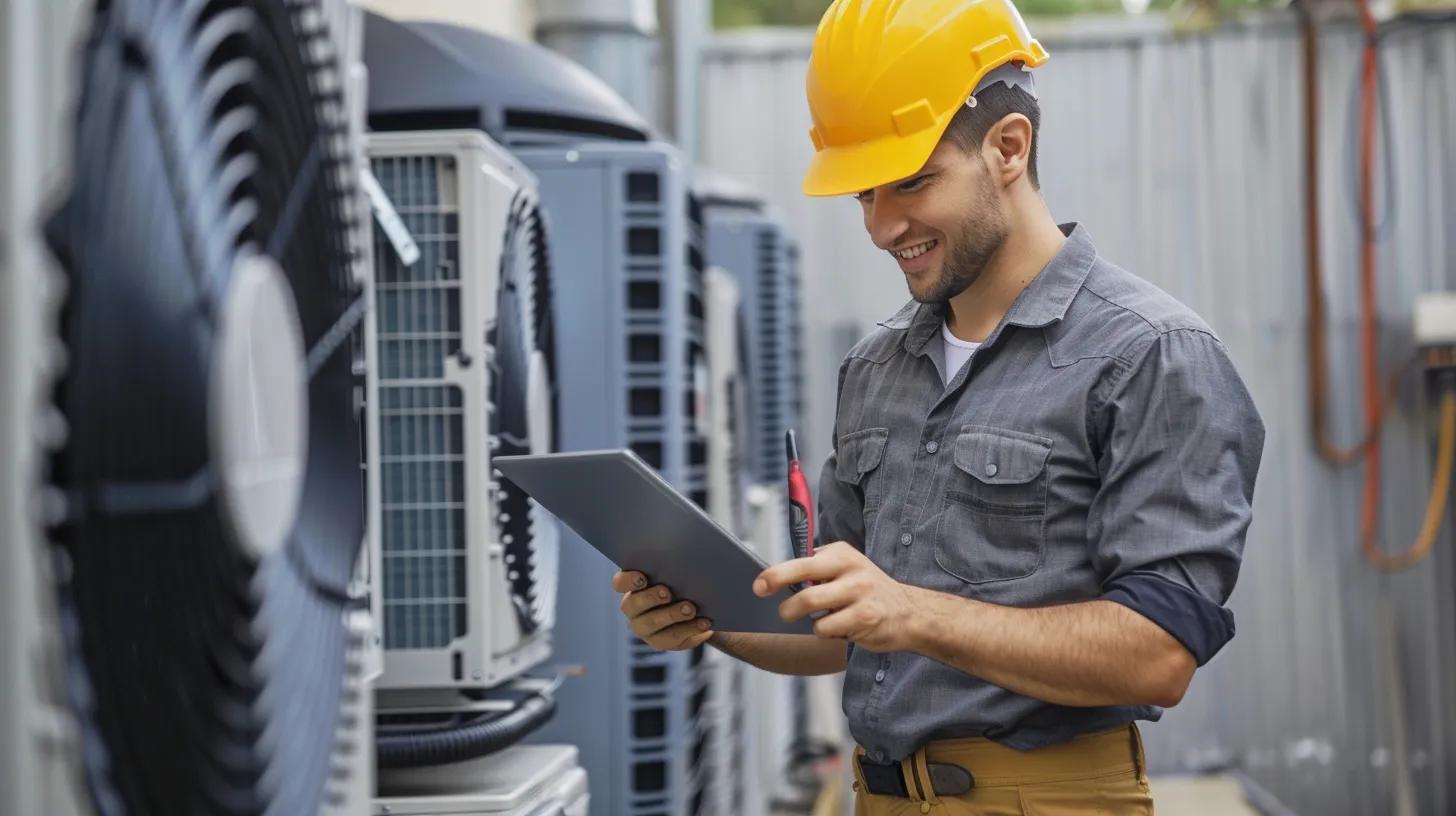
What to Expect During HVAC Installation — Your Complete Guide to the Process, Benefits, Costs, and Timeline
Getting a new HVAC system is a significant investment for both homeowners and business owners, promising enhanced comfort, improved energy efficiency, and long-term savings. Knowing the precise steps involved, understanding the potential costs, and having a clear timeline removes surprises and helps the project run smoothly from start to finish. This comprehensive guide walks you through every aspect of the installation process, details the numerous benefits of upgrading to a modern system, outlines what it may cost, and explains how long the entire project typically takes. By the end of this guide, you’ll be fully equipped with the knowledge to prepare effectively and know exactly what to expect on installation day, ensuring a seamless transition to a more comfortable indoor environment.
What Are the Key Steps in the HVAC Installation Process?
HVAC installation follows a meticulously planned sequence of steps, each designed to ensure your new system operates safely, efficiently, and optimally for years to come. Understanding this sequence not only helps you anticipate the technicians’ work but also allows you to remain comfortable and informed throughout the project, minimizing disruption to your daily routine.
How Is the HVAC System Sized and Selected for Your Home or Business?
Choosing the right system begins with a critical process known as a load calculation, often referred to as a Manual J calculation. This involves a detailed, room-by-room assessment of your property’s specific heating and cooling needs. Factors considered include the total square footage of conditioned space, the quality and R-value of insulation in walls and ceilings, the number and type of windows (e.g., single-pane, double-pane, low-E), their orientation to the sun, local climate data (average high/low temperatures, humidity levels), ceiling heights, the number of occupants, and even heat-generating appliances. Correct sizing is paramount; an undersized system will struggle to maintain desired temperatures, leading to constant operation and premature wear, while an oversized system will “short cycle” (turn on and off too frequently), resulting in uneven temperatures, excessive humidity, and wasted energy. Common problems like high energy bills (potentially 15-30% higher) and reduced comfort are direct consequences of improper sizing, making this initial step the foundation of a successful installation.
What Happens During Site Preparation and Old System Removal?
Before any new equipment is brought in, the installation crew dedicates significant time to site preparation and the safe removal of your old HVAC system. This phase typically takes between 2 to 4 hours, depending on the system’s complexity and accessibility. Technicians will clear the work area, ensuring a safe and efficient space for operations, and carefully disconnect and remove the old furnace, air conditioner, or heat pump components. During this time, they will also conduct a thorough inspection of existing infrastructure, including ductwork, electrical wiring, and refrigerant lines. This inspection identifies any potential issues or necessary upgrades. For instance, old, leaky ductwork might require sealing or partial replacement to prevent energy loss (up to 30%), while outdated electrical panels might need an upgrade to safely support the new unit’s power requirements. Good preparation is crucial for keeping the job on schedule, avoiding unexpected delays, and ensuring the new system integrates seamlessly with your property’s existing framework.
What Are the Benefits of Installing a New HVAC System?
Upgrading your HVAC system is an investment that yields immediate and long-term returns, bringing clearer comfort, significantly better energy efficiency, and a host of other advantages. Modern systems are engineered to deliver more consistent temperatures, vastly improved indoor air quality, and substantially lower energy bills when installed and maintained correctly.
How Does a New HVAC System Improve Energy Efficiency and Comfort?
New HVAC systems leverage cutting-edge technology to provide superior energy efficiency and unparalleled comfort. They feature updated components such as variable-speed compressors and fans, advanced controls, and multi-stage operation that manage energy use with remarkable precision. This translates directly into:
- Significant Energy Savings: Modern air conditioners boast SEER (Seasonal Energy Efficiency Ratio) ratings of 14-26, while older units might be as low as 8-10. Furnaces achieve AFUE (Annual Fuel Utilization Efficiency) ratings of 80-98%, compared to 60-70% for older models. This efficiency can lead to **energy bill reductions of 20-40%** annually.
- Consistent Indoor Temperatures: Variable-speed technology allows systems to run at lower capacities for longer periods, eliminating the drastic temperature swings common with older, single-stage units. This results in steadier indoor temperatures, fewer hot or cold spots, and a more uniform comfort level throughout your home or business.
- Improved Humidity Control: Modern systems, especially those with variable-speed blowers, are far more effective at removing excess humidity from the air, making your space feel cooler and more comfortable even at higher thermostat settings.
- Enhanced Indoor Air Quality: Better filtration systems, including MERV 8-13+ filters, are standard in new units, significantly reducing dust, pollen, pet dander, and other allergens. Some systems can integrate with UV lights or whole-house air purifiers for even healthier indoor air.
- Quieter Operation: Advanced fan designs and insulated cabinets mean new systems operate much more quietly than their predecessors, contributing to a more peaceful indoor environment.
What Are the Long-Term Advantages for Homeowners and Businesses?
Beyond immediate comfort and efficiency, a modern HVAC system offers substantial long-term advantages:
- Increased Property Value: A new, energy-efficient HVAC system is a highly attractive feature for potential buyers, often adding **3-5% to your property’s resale value** and making it stand out in the market.
- Reduced Repair Costs: New systems come with comprehensive warranties (typically 5-10 years on parts) and are less prone to breakdowns, significantly reducing unexpected repair expenses for the first decade or more of their lifespan.
- Lower Utility Bills: The cumulative energy savings over the 10-15 year lifespan of a new system can amount to thousands of dollars, effectively offsetting a significant portion of the initial investment.
- Environmental Impact: Higher efficiency means a smaller carbon footprint, contributing to a healthier planet. Many new systems also use environmentally friendlier refrigerants like R-410A.
- Improved Productivity and Customer Comfort (for Businesses): A consistently comfortable indoor environment directly impacts employee productivity and customer satisfaction. Reliable heating and cooling ensure a pleasant experience, encouraging longer stays and repeat business.
- Peace of Mind: Knowing you have a reliable, efficient system backed by a warranty provides invaluable peace of mind, especially during extreme weather conditions.
What Permits, Warranties, and Post-Installation Care Should You Expect?
Permits, comprehensive warranties, and diligent post-installation care are not merely optional add-ons; they are critical components of a responsible and successful HVAC installation. These elements collectively protect your significant investment, ensure that all work meets stringent local regulations and safety standards, and guarantee the long-term performance and efficiency of your new system.
Do You Need Permits for HVAC Installation in Heber Springs, AR?
Yes, in Heber Springs, AR, as in most municipalities, HVAC work typically requires specific permits from the local building department. This is a mandatory step to ensure that all installations comply with the City of Heber Springs’ building codes, safety regulations, and environmental standards. The permit process usually involves:
- Application: Your licensed HVAC contractor will submit a detailed application outlining the scope of work, system specifications, and plans.
- Review: The building department reviews the plans to ensure they meet all local codes.
- Inspection: After installation, a city inspector will visit your property to verify that the work was completed according to the approved plans and codes. This inspection covers aspects like electrical connections, refrigerant lines, ductwork integrity, and safety clearances.
Obtaining the necessary permits is crucial for several reasons: it ensures the safety of your home and its occupants, validates that the installation meets professional standards, and is often required by your homeowner’s insurance policy. Failing to secure permits can lead to fines, difficulties when selling your property, and potential issues with insurance claims if a problem arises. Always confirm with the City of Heber Springs Building Department or your installer which specific permits are necessary for your project.
How Can You Prepare for HVAC Installation and What Should You Expect on Installation Day?
Good preparation is key to a smooth HVAC installation, significantly shortening the job duration and minimizing disruption to your household or business operations. A few simple, proactive steps can help the installation crew work safely, efficiently, and finish on time, ensuring a positive experience for everyone involved.
What Is Included in an HVAC Installation Checklist?
To ensure a seamless installation day, consider the following checklist:
- Clear the Installation Area: Create a clear, unobstructed workspace for the technicians. This means removing furniture, boxes, decorations, and any other items from around the indoor unit (furnace/air handler in a closet, basement, or attic) and the outdoor unit (AC condenser or heat pump). Aim for at least a **3-foot radius** around each unit. If the path to these units is cluttered, clear that as well. Consider laying down drop cloths or old sheets to protect your floors and carpets, especially in high-traffic areas.
- Ensure Easy Access for Technicians: Make sure all pathways, utility areas, and access points are readily available. This includes clearing your driveway for their vehicles, unlocking gates to your backyard, and ensuring easy access to your electrical panel, thermostat, and any attic or crawl space entry points. If you have pets, arrange for them to be secured in a separate room or off-site to ensure their safety and prevent them from interfering with the work. Similarly, keep children away from the active work zones.
- Prepare Questions for Technicians: Before the crew arrives, take a moment to write down any questions you have about the new system’s operation, maintenance, warranty, or specific features. This could include how to program the thermostat, how often to change filters, what the warranty covers, or who to call for future service. Having your questions ready ensures you get all the information you need during the final walkthrough and feel confident operating your new system.
How Do Technicians Ensure a Smooth and Safe Installation?
Professional HVAC technicians adhere to strict protocols to ensure both a smooth and safe installation process:
- Safety Protocols: Crews wear appropriate Personal Protective Equipment (PPE), including gloves, safety glasses, and sometimes respirators. They follow lockout/tagout procedures for electrical safety, handle refrigerants responsibly, and use proper lifting techniques to prevent injuries.
- Electrical Verification: Before powering up, technicians meticulously verify all electrical connections, ensuring correct voltage, proper grounding, and that circuit breakers are appropriately sized for the new equipment. This prevents electrical hazards and ensures efficient operation.
- Ventilation and Ductwork Integrity: They confirm proper ventilation for combustion appliances (furnaces) and ensure all ductwork connections are sealed tightly to prevent air leaks, which can account for up to 30% of energy loss. They may use mastic sealant or specialized tape for this.
- Full System Tests: After installation, a series of comprehensive tests are performed. This includes checking refrigerant charge levels, measuring airflow across the coils, verifying temperature differentials, testing all safety controls, and ensuring the thermostat communicates correctly with the system.
- Clear Communication: Throughout the process, and especially during the final walkthrough, technicians maintain clear communication. They will patiently explain how to use your new thermostat, demonstrate filter replacement, review maintenance recommendations, and provide contact information for any follow-up questions or service needs. This ensures you are fully informed and comfortable with your new HVAC system.
Understanding the installation steps makes the whole process less stressful. Affordable Air provides full-service HVAC installations aimed at matching a system to your needs and keeping the job smooth from start to finish.
Frequently Asked Questions
What types of HVAC systems are available for installation?
Common options include central air conditioners (split systems or packaged units), furnaces (gas, electric, or oil, with varying AFUE efficiency ratings), heat pumps (which provide both heating and cooling, often with high SEER and HSPF ratings), and ductless mini-splits (ideal for zoning or spaces without existing ductwork). Central systems are best for larger homes with existing ductwork, while mini-splits offer flexible, room-by-room temperature control. Your installer will recommend the best choice based on your property size, climate, budget, and specific comfort needs.
How can I ensure the longevity of my new HVAC system?
To maximize your system’s lifespan, schedule annual professional inspections and tune-ups (typically one for heating and one for cooling). Change your air filters regularly, usually every 1-3 months, depending on filter type, household pets, and usage. Keep the outdoor unit clear of debris, leaves, and vegetation, ensuring at least 2 feet of clearance around it. Follow all manufacturer maintenance guidelines, and consider investing in a service plan that includes priority service and discounts on repairs.
What are the signs that my HVAC system needs replacement?
Watch for frequent breakdowns (more than 2-3 repairs per year), a noticeable increase in energy bills (e.g., 10-20% higher without a change in usage), uneven temperatures throughout your home (rooms varying by 5+ degrees), strange noises (grinding, banging, squealing) or smells (burning, musty odors), and an aging system (air conditioners typically last 10-15 years, furnaces 15-20 years). If repair costs are approaching 50% of the cost of a new unit, replacement is often the more economical and reliable choice.
Are there energy efficiency ratings I should consider when choosing an HVAC system?
Yes, absolutely. For air conditioners and heat pumps, look at the SEER (Seasonal Energy Efficiency Ratio) rating; higher numbers (e.g., 14-26 SEER) indicate better efficiency. For furnaces, consider the AFUE (Annual Fuel Utilization Efficiency) rating; a higher percentage (e.g., 80-98% AFUE) means more fuel is converted into heat. Heat pumps also have an HSPF (Heating Seasonal Performance Factor) rating for heating efficiency. ENERGY STAR-certified systems meet strict efficiency standards set by the EPA and can significantly reduce operating costs while minimizing environmental impact. Your installer can help you understand these ratings and choose the most efficient system for your budget and climate.
What should I expect during the final walkthrough after installation?
During the final walkthrough, technicians will demonstrate how to operate your new system, including turning it on/off, switching modes (heating/cooling/fan), and programming your thermostat. They will explain the location and type of air filters, and how often they should be changed. You’ll receive maintenance recommendations, warranty details (including how to register your product), and contact information for future service or questions. This is your opportunity to ask any remaining questions and ensure you are comfortable with your new system’s functionality.
Conclusion
Upgrading your HVAC system is a strategic decision that profoundly improves comfort, enhances energy efficiency, and ensures long-term reliability for your home or business. By thoroughly understanding the detailed installation process, typical timelines, and various cost and financing options, you are empowered to choose the right solution that perfectly aligns with your specific needs and budget. When you’re ready to experience the superior comfort and peace of mind a new system brings, reach out to a trusted provider like Affordable Air to discuss your options and take the next steps toward a more efficient and comfortable indoor environment.



 100% Guarantee. If you aren't happy, we will keep coming back until you are.