Your HVAC System's Best Friend: Essential Maintenance Tips for Homeowners and Businesses
Keeping your HVAC system in top shape is the secret to ultimate comfort, peak efficiency, and unwavering reliability, whether it’s for your cozy home or bustling business. By sticking to a smart maintenance routine—think regular check-ups, filter swaps, coil cleanings, and professional tune-ups—you can wave goodbye to unexpected breakdowns and keep those energy bills from climbing. In this guide, we’ll dive deep into how often your system needs a pro, the awesome perks of consistent care, handy DIY tricks, a seasonal to-do list, tips to make your system last longer, and the expert services Affordable Air offers right here in Heber Springs, AR. You’ll get all the know-how to boost your indoor air quality, slash energy costs, and protect your valuable equipment, with clear pointers on when to call your local experts for their preventive maintenance plans and financing options.
How Often Should You Tune Up Your HVAC System for Peak Performance?
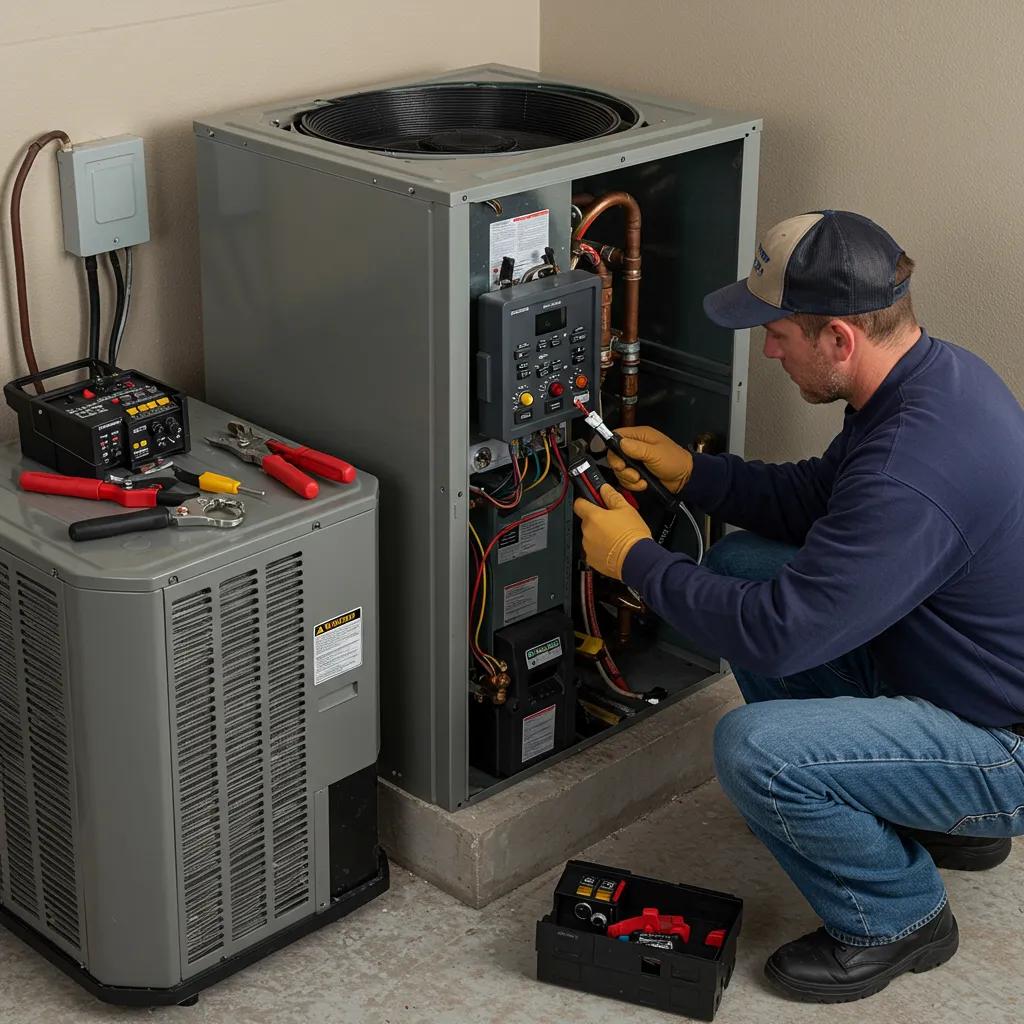
Getting your heating and cooling system professionally serviced once a year is key to ensuring it runs at its best and avoiding pricey repairs. We recommend a spring check-up for your air conditioning components before the summer heat hits, and an autumn inspection for your furnace before the winter chill sets in. These visits include vital tasks like lubricating motors, checking electrical connections, and verifying refrigerant levels—all crucial for dependable operation.
Research into predictive maintenance for HVAC systems highlights the importance of optimization methods to enhance reliability and efficiency through proactive scheduling.
Optimisation of Predictive Maintenance for HVAC Systems
We present optimisation methods for the predictive maintenance scheduling of building heating, ventilation, and air conditioning (HVAC) systems using mixed-integer programming. The optimisation methods are designed to enhance the reliability and efficiency of HVAC systems through proactive maintenance scheduling.
Predictive maintenance scheduling optimization of building heating, ventilation, and air conditioning systems, Y Wu, 2021
Between professional visits, simple DIY checks will keep your system humming: swap out or clean your air filters every one to three months, clear away any debris around your outdoor units monthly, and double-check your thermostat settings quarterly. These easy steps complement the professional care your system receives under Affordable Air’s preventive Maintenance Plan.
What's the Recommended HVAC Maintenance Schedule in the UK?
For those in the UK, it’s a good idea to have your heating system serviced every autumn and your cooling system every spring, perfectly timed for peak seasonal demand. Technicians typically handle filter replacements, safety checks, and system diagnostics annually, ensuring everything meets energy efficiency standards and F-Gas regulations. This schedule helps minimize downtime and keeps your modern heat-pump and gas-fired equipment warranties valid.
How Do Seasonal Shifts Impact Your HVAC Maintenance Needs?
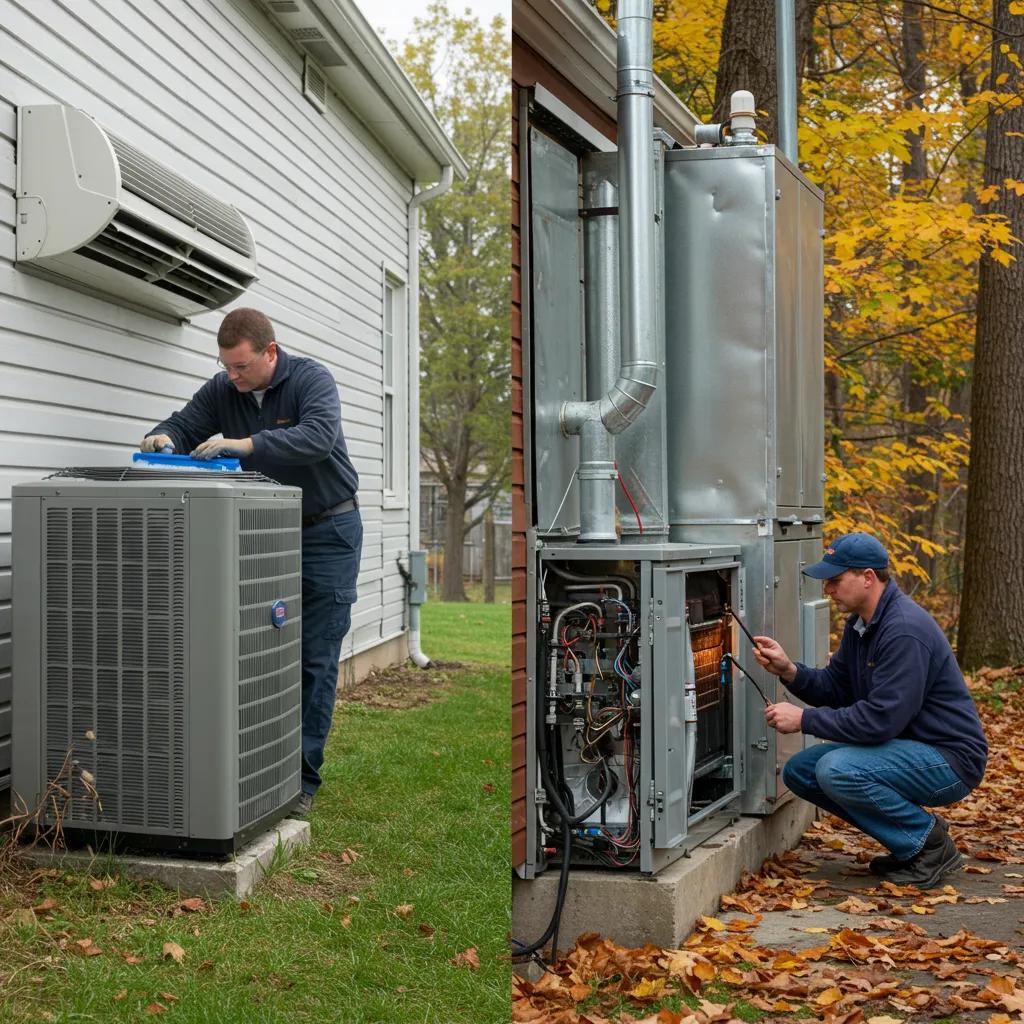
As seasons change, your HVAC components face different challenges. Warmer weather puts extra strain on compressors and condensers, making thorough coil cleaning and refrigerant checks essential. Cooler months shift the focus to combustion safety, flue integrity, and pilot ignition systems. Understanding these seasonal demands helps you anticipate specific maintenance needs and schedule targeted check-ups in the spring and autumn.
When Should You Call a Pro vs. Tackle DIY Maintenance?
DIY maintenance—like swapping filters, clearing debris from outdoor units, or replacing thermostat batteries—is perfect for straightforward tasks that don’t need special tools or expertise. However, professional help is a must for tasks like refrigerant recharging, electrical diagnostics, gas-line safety tests, and deep coil sanitization. If your system’s performance dips, you hear strange noises, or sensors act up, it’s time to call Affordable Air’s certified specialists under their Maintenance Plan for a thorough fix and lasting system health.
What Are the Big Wins of Regular HVAC Maintenance?
Consistent HVAC upkeep leads to noticeable energy savings because all the parts are working efficiently, which means lower utility bills and operational costs. Preventive maintenance also extends your equipment’s lifespan by catching wear-and-tear issues before they become major problems, protecting your investment through countless heating and cooling cycles. Clean filters and coils mean better indoor air quality, filtering out dust, mold spores, and allergens that can trigger respiratory issues. Plus, proactive servicing drastically reduces the chance of sudden system failure, saving you from emergency repair bills and unexpected downtime, especially when you’re covered by Affordable Air’s preventive maintenance plan and flexible financing options.
How Does Regular Servicing Boost Energy Efficiency and Lower Your Bills?
A system that’s running smoothly operates with optimized refrigerant pressures, better airflow, and precisely calibrated thermostats. These factors work together to cut down on compressor run-time and blower energy use by as much as 15 percent. Over the course of a year, this efficiency boost can translate into significant savings on your electricity and gas bills, making regular servicing a smart financial move.
In What Ways Does Maintenance Help Your HVAC System Last Longer?
Preventive inspections catch small issues—like worn belts or minor duct leaks—before they lead to component failure. By refreshing lubrication, tightening connections, and ensuring balanced refrigerant levels, technicians help your unit run more quietly and smoothly, often adding five or more years to its expected service life.
Sustainable maintenance strategies are increasingly recognized for their role in extending the lifespan of buildings and their systems while minimizing environmental impact.
Sustainable Maintenance Strategies for Extending Building Lifespans
Sustainable maintenance management strategies have emerged as a crucial approach to extending building lifespans while minimising environmental impact. However, the relationship between these strategies and building longevity remains underexplored in the literature. This scoping review aims to synthesise and analyse the current body of knowledge on sustainable maintenance management strategies and their influence on building lifespans. The study seeks to identify key strategies, evaluate their effectiveness, and explore the challenges and opportunities in their implementation.
Influence of Sustainable Maintenance Management Strategies on Lifespan of Buildings: A Scoping Review, H Ojobo, 2019
How Does Maintenance Improve Your Indoor Air Quality and Comfort?
Clean air filters and inspected ducts help remove built-up dust, pollen, and other airborne irritants. This filtration not only protects sensitive equipment parts but also contributes to healthier breathing environments, reducing allergy flare-ups and ensuring consistent temperatures throughout your home or workspace.
What Kind of Cost Savings Can You Expect from Preventive HVAC Care?
Investing in routine maintenance can slash your repair bills by up to 30 percent, as catching refrigerant leaks, electrical faults, or motor wear early prevents the need for major component replacements. When you combine this with reduced energy consumption, preventive care typically pays for itself within one to two heating and cooling seasons.
DIY HVAC Maintenance: Easy Tips for Homeowners
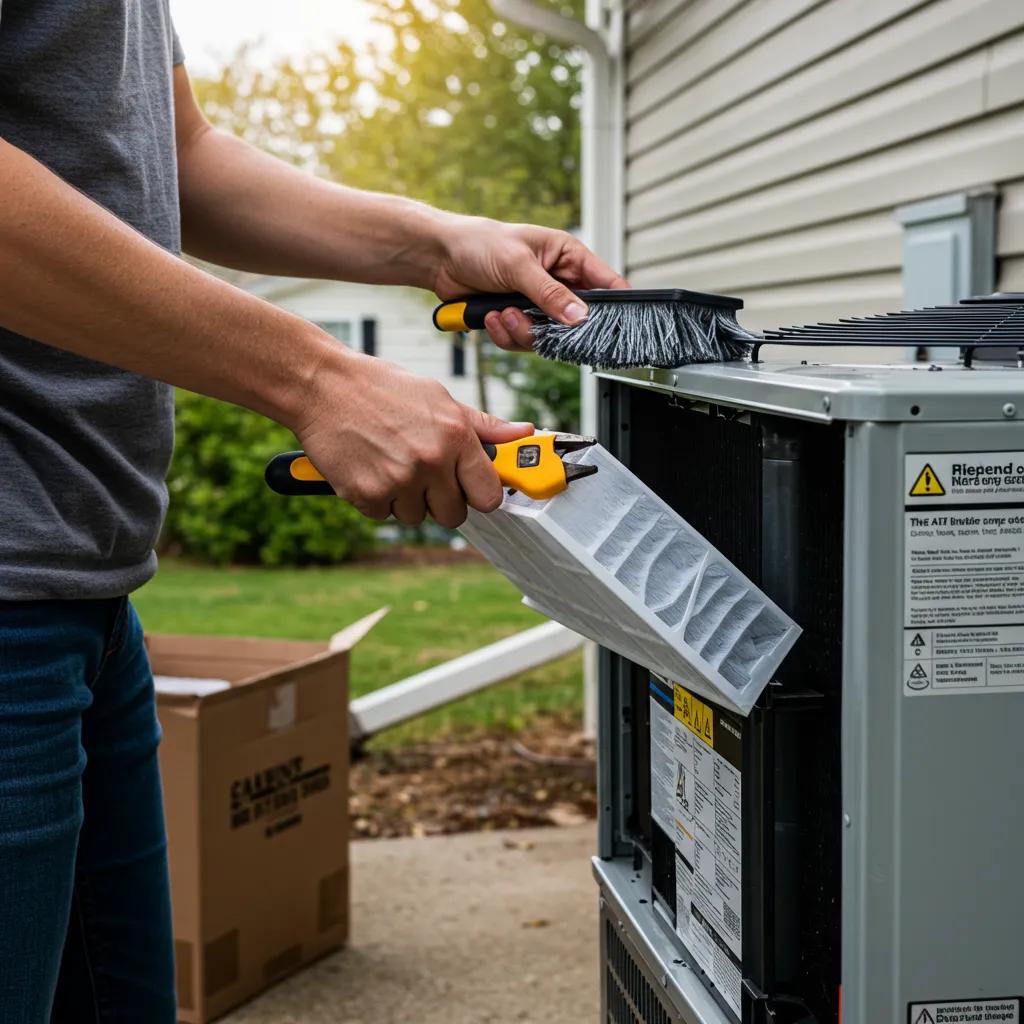
Empower yourself to keep your HVAC system running smoothly between professional tune-ups with these DIY tips. Start by selecting the right air filter size and MERV rating, then swap or clean filters every 1–3 months to maintain good airflow and trap contaminants. Make thermostat management simple by setting back temperatures by 4–6 °C when your home is empty; this small change can save you 5–10 percent on energy costs. Regularly clear leaves, grass clippings, and other debris from around your outdoor condenser units to ensure unrestricted airflow. Inspect accessible ductwork and vents for dust buildup or leaks, sealing any gaps with mastic. Lastly, check your indoor evaporator coils annually; if you see persistent dirt after a gentle brushing, schedule professional coil cleaning to restore efficient heat exchange.
How to Pick and Swap HVAC Air Filters for Fresher Air?
Choosing a filter with the right MERV rating strikes a balance between capturing particles and maintaining system airflow. A pleated filter with a MERV rating of 8–11 is usually ideal for most homes, effectively trapping common allergens without straining your blower motor. To replace it, simply turn off the system power, slide out the old filter, note the airflow direction arrow, insert the new filter correctly, and turn the power back on—you’ll instantly notice improved air quality and performance.
What Are the Smartest Thermostat Settings for Saving Energy?
Setting your thermostat to 18–21 °C in winter and 24–26 °C in summer keeps you comfortable while cutting down on energy use. Lowering the temperature by 4–6 °C when you’re away or sleeping can reduce heating or cooling costs by up to 10 percent. Smart thermostats take this a step further by automating these adjustments based on when your home is occupied.
How to Safely Clean Outdoor Units and Clear Debris?
Before you start, make sure to turn off the power at the disconnect or breaker. Use a soft-bristle brush to gently remove leaves, twigs, and dirt from the fins. A low-pressure water spray can help wash away deeper grime, but be careful not to bend the fins. Finally, keep the area around the unit clear of vegetation, ensuring at least 30 cm of space for optimal airflow.
What Simple Checks Can You Perform on Ductwork and Vents?
Visually inspect any exposed ducts for layers of dust, signs of mold, or obvious gaps. Wipe down accessible vents with a damp cloth and use a vacuum to clear surface debris from registers. Seal minor leaks with UL-approved duct tape or mastic sealant, and make sure vent dampers are fully open to ensure balanced air distribution.
When Is Coil Cleaning Needed, and How Can You Do It Yourself?
Evaporator and condenser coils can gather dust and organic growth over time, which hinders heat exchange. Light debris can often be removed with a soft brush or a no-rinse coil cleaner spray. However, for heavy buildup, it’s best to call a professional for coil cleaning to avoid damaging the fins and to ensure safe handling of cleaning chemicals.
What Should Be on Your Comprehensive HVAC Maintenance Checklist?
A thorough checklist organizes seasonal tasks into manageable steps, ensuring nothing gets missed. It should include filter replacement, coil inspection, condensate-drain clearing, refrigerant-level checks, burner-assembly examination, and tightening electrical connections. Don’t forget outdoor-unit upkeep and duct integrity checks. Keeping a record with dates for each task promotes accountability and helps you spot performance trends, guiding your DIY efforts and professional visits under Affordable Air’s Maintenance Plan.
| Task | Frequency | Purpose |
|---|---|---|
| Air-Filter Replacement | 1–3 months | Maintain airflow and indoor air quality |
| Coil Inspection & Cleaning | Annually | Ensure efficient heat exchange |
| Condensate-Drain Clearing | Biannually | Prevent water damage and microbial growth |
| Refrigerant Charge Check | Annually | Optimize cooling performance and energy use |
| Electrical Connection Tighten | Annually | Reduce fire hazard and component wear |
| Duct & Vent Inspection | Biannually | Detect leaks and maintain balanced airflow |
What Are the Must-Do Spring Maintenance Tasks for Your HVAC System?
Spring maintenance focuses on getting your cooling system ready: swap out filters, clean condenser coils, check refrigerant lines for leaks, and test thermostat cooling modes. Clearing debris from outdoor units and testing system cycles helps prevent mid-summer breakdowns and ensures consistent comfort.
Which Autumn and Winter Furnace Maintenance Steps Are Critical?
Autumn checks should include replacing filters, inspecting burner flames, testing safety controls, and examining flue integrity. Lubricating blower motors and verifying pilot lights or electronic ignition systems are crucial for reliable winter heating and preventing carbon-monoxide risks.
How to Keep Track of Your HVAC System’s Maintenance History?
Use a logbook or a digital spreadsheet to record dates, tasks performed, and any notes from technicians. Include reminders for filter changes, summaries of service visits, and details of any system issues. This record is invaluable for warranty claims, identifying recurring problems, and planning future maintenance.
What Are the Red Flags Your HVAC System Needs Immediate Attention?
Keep an eye out for weak airflow, uneven temperatures across your home, strange noises, higher energy bills, and systems that cycle on and off too frequently. Any of these early warning signs suggest a prompt inspection is needed to avoid more serious failures and potential health hazards from refrigerant leaks or electrical faults.
What Professional HVAC Services Does Affordable Air Offer in Heber Springs, AR?
Affordable Air provides comprehensive HVAC solutions for homes and businesses throughout Heber Springs and the Greer’s Ferry Lake area. Our preventive Maintenance Plan includes biannual inspections, priority scheduling, detailed system diagnostics, and seasonal tune-ups designed to maximize your energy efficiency and indoor comfort. We also offer flexible financing options to make regular servicing accessible, along with special promotions for added value. We encourage Heber Springs residents to book their spring checks before cooling season and autumn tune-ups before heating demand to ensure continuous performance and peace of mind.
The methodologies of lifecycle commissioning for HVAC systems are crucial for enhancing their overall performance and sustainability throughout their operational life.
Lifecycle Commissioning of HVAC Systems for Enhanced Performance
The progress and methodologies of lifecycle commissioning of HVAC systems are critical to improving the lifecycle performance of HVAC systems, such as through the implementation of optimal control strategies.
Progress and methodologies of lifecycle commissioning of HVAC systems to enhance building sustainability, F Xiao, 2009
What Are the Perks of Affordable Air’s Preventive Maintenance Plans?
Our plans bundle professional filter replacement, coil cleaning, refrigerant level verification, and safety control testing into one convenient package. Plan members enjoy priority dispatch, discounted repair rates, and personalized reminders—all designed to boost system reliability and lower long-term operating costs.
How Does Financing Make HVAC Maintenance Affordable?
Through our tailored financing arrangements, homeowners and businesses can spread the cost of tune-ups and repairs over manageable monthly payments. This approach encourages consistent upkeep and prevents the kind of deferred maintenance that often leads to major, costly breakdowns.
Conclusion
Regular HVAC maintenance is essential for ensuring optimal performance, energy efficiency, and indoor air quality, ultimately leading to lower utility bills and extended equipment lifespan. By investing in preventive care, you not only protect your system from unexpected failures but also create a healthier living environment for your family or employees. Take the proactive step today by exploring Affordable Air’s comprehensive maintenance plans tailored to your needs. Schedule your seasonal check-up now to enjoy peace of mind and uninterrupted comfort all year round.



 100% Guarantee. If you aren't happy, we will keep coming back until you are.